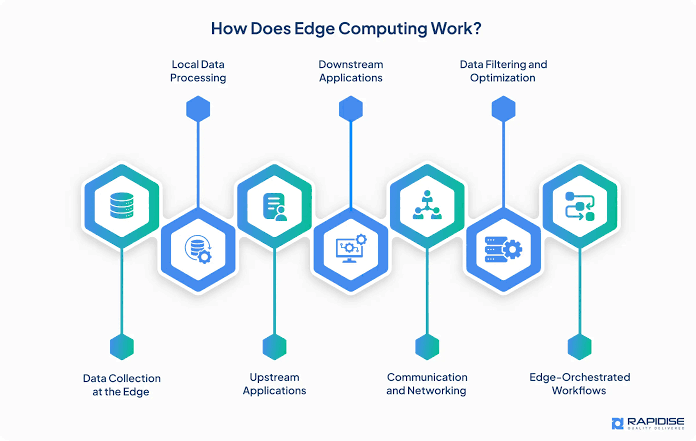
In recent years, edge computing has emerged as a game-changer in the tech landscape, particularly in the realm of product design. By bringing computation and data storage closer to the source of data generation, edge computing significantly reduces latency and bandwidth usage. This shift is not just a technical improvement; it fundamentally changes how products are designed, developed, and deployed in various industries.
The Rise of Edge Computing
Edge computing refers to the processing of data at or near the data source rather than relying solely on centralized data centers. This approach allows for quicker data processing and real-time analytics, making it especially advantageous for applications requiring immediate feedback, such as IoT devices. As industries increasingly adopt this technology, product designers are rethinking how they create solutions that leverage its benefits.
Impact on Product Design Processes
One of the most profound impacts of edge computing on product design is the acceleration of the design process. Designers can now test and iterate on prototypes much faster by utilizing real-time data from edge devices. This immediacy allows teams to gather user feedback instantly, leading to more user-centric products.
Moreover, edge computing facilitates enhanced collaboration among design teams scattered across different locations. By accessing and processing data locally, remote teams can work together more effectively, sharing insights and making decisions in real time without the delays associated with traditional cloud computing.
Enhancing User Experience
Another significant advantage of edge computing in product design is its ability to enhance user experience. With edge computing, products can process data locally, leading to quicker response times and improved performance. For instance, smart home devices can analyze user behavior and make adjustments instantly, providing a seamless experience without the lag that often occurs when data is sent to a centralized server.
Additionally, this technology allows for more personalized experiences. Products equipped with edge computing can learn from user interactions over time, tailoring their functionality to better meet individual preferences. This level of customization not only increases user satisfaction but also fosters brand loyalty.
Challenges and Considerations
While the benefits of edge computing are substantial, product designers must also consider the challenges it presents. For one, ensuring security at the edge is critical. With data being processed closer to the user, protecting sensitive information from breaches becomes paramount. Designers must integrate robust security measures into their products from the outset.
Additionally, edge computing requires a shift in mindset for many design teams. They must consider how products will function in a decentralized environment, which may necessitate new skills and knowledge. This transition can be daunting, but it also opens up exciting opportunities for innovation.
Future Trends in Product Design
Looking ahead, the integration of edge computing into product design is likely to grow. As more devices become connected and demand for real-time data processing increases, designers will need to stay ahead of the curve. This means continually adapting their designs to leverage edge computing capabilities effectively.
Emerging technologies such as artificial intelligence and machine learning will also play a crucial role. By combining these technologies with edge computing, designers can create smarter products that not only perform tasks but also learn and evolve with user needs.
Conclusion
In conclusion, edge computing is fundamentally changing product design by enhancing the speed, efficiency, and personalization of products. As the technology continues to evolve, it will undoubtedly lead to innovative solutions that reshape how we interact with the world around us. Designers who embrace this shift will not only improve their products but also create more meaningful experiences for users.